
Coral Restoration in Nusa Penida, Bali
Every restoration site has a story, and this May, I got to help write the latest chapter in Ped, Nusa Penida. For those searching for a coral restoration internship in Bali, there is no better place to gain real-world experience than with the Ocean Gardener team.
I was looking for a marine conservation volunteer program that offered more than just a surface-level experience.
I arrived fresh off my Conservation Divemaster in Raja Ampat, so I already had a solid foundation in reef ecology. After wrapping up the 3-Day Intro to Coral Restoration Course, I knew I wanted to dive deeper—literally—so I signed up for the Ocean Gardener Internship Program for two weeks to make a real, hands-on contribution.
I was excited to be the first intern to help at their brand new Coral Lab in their main restoration site in Nusa Penida and here I will share my experience with everyone what I did.
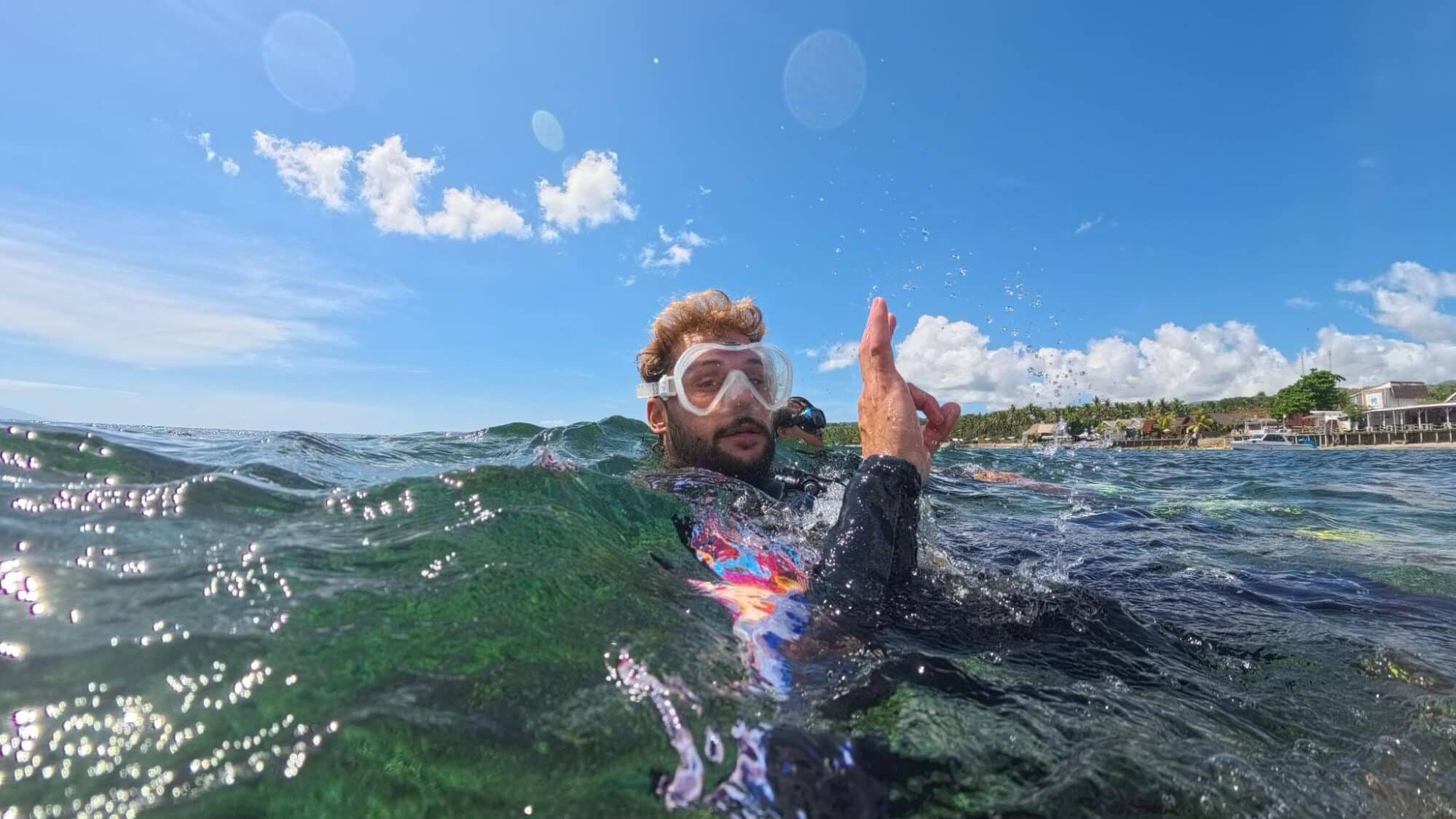
Hands-on Replanting Of The Coral Reefs
From day one, I was fully immersed in the team’s daily routine, working right alongside Ocean Gardener’s marine biologists, and also members of the local fishermen community that came to help replant their reef.
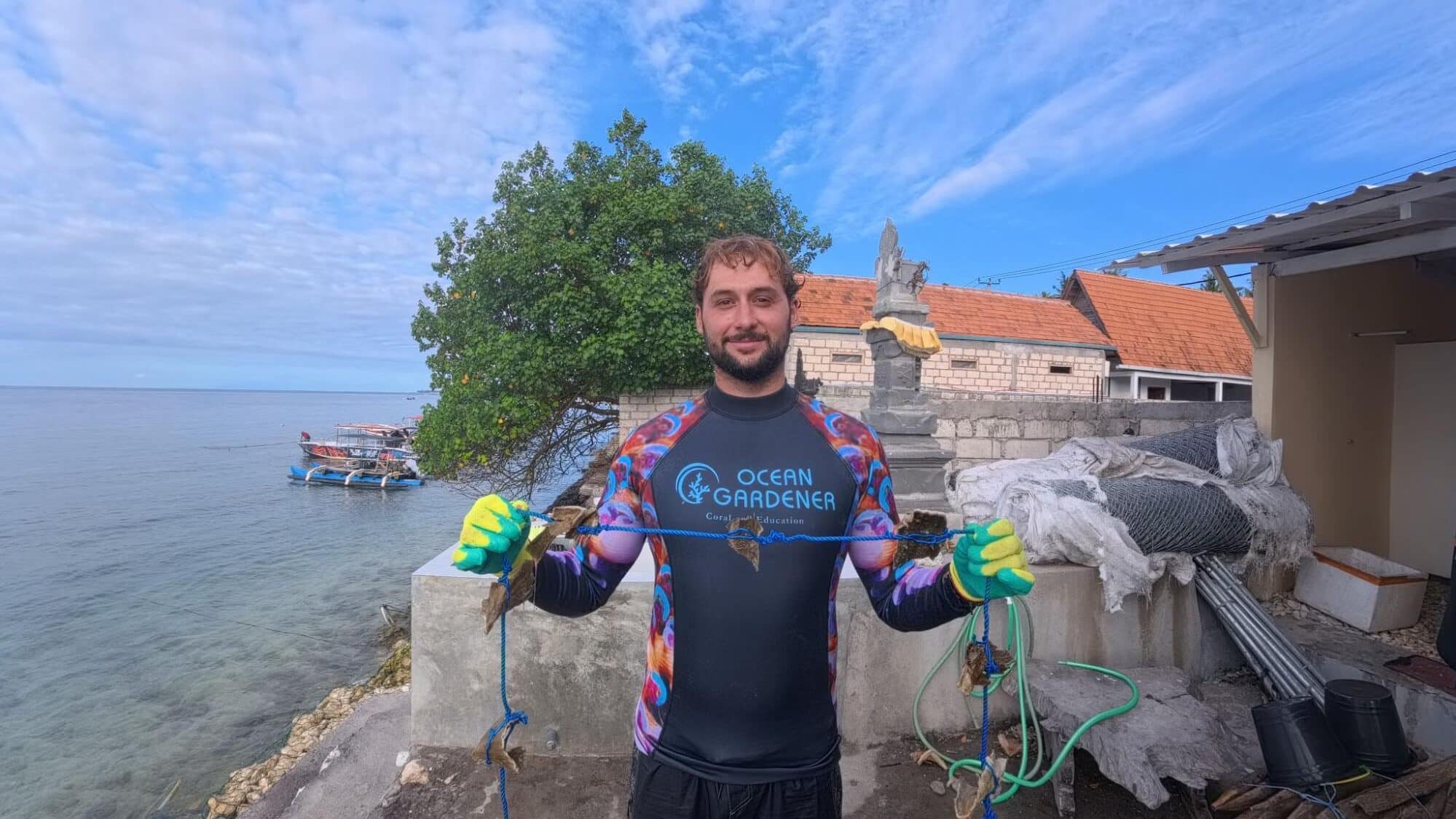
My time here was incredibly rewarding. Together, we planted 700 coral fragments, including key reef-builders like Montipora sp., Acropora akajimensis, and Acropora abrolhosensis. The technique used here is a rope-stake method. Corals are harvested from either broken pieces on the sea floor, or harvested from the coral nurseries in the shallows.
Sometimes, this was done by scuba diving to reduce the stress to the corals. But sometimes, there were the young boys from the local community, it was easier and faster to fragment and string them up on land with everyone’s help, then string them up on the wooden stakes in restoration site. Every single piece we outplanted felt like a tangible step toward rebuilding an ecosystem that will thrive for decades.
Coral Restoration Is More Than Planting Corals
I quickly learned that coral reef restoration in Indonesia is about far more than just planting. I spent plenty of time on maintenance dives, clearing away Drupella snails and Crown-of-Thorns Starfish (CoTS) to protect our hard work from these aggressive coral predators.
These outbreaks, I learnt, are often fueled by nutrient runoff—such as untreated sewage and agricultural fertilizer—which creates an imbalance in the water, leading to algae blooms that provide extra food for predator larvae. There was a lot of construction here in Nusa Penida.
Beyond these biological threats, I also got to see patches of bleached corals, potentially caused by the warming waters. It was reminder of the work I was helping with and also how fragile the reefs are.
Frequently too, I was swimming in plastic when the rains and currents would sweep onshore waste into the water. I tried to remove as much plastic floating or smothering the coral. I hope Bali will be able to find a better solution to the waste problem.
It gave me a real, authentic look at what conservation actually requires: daily monitoring, data collection, and constant care.
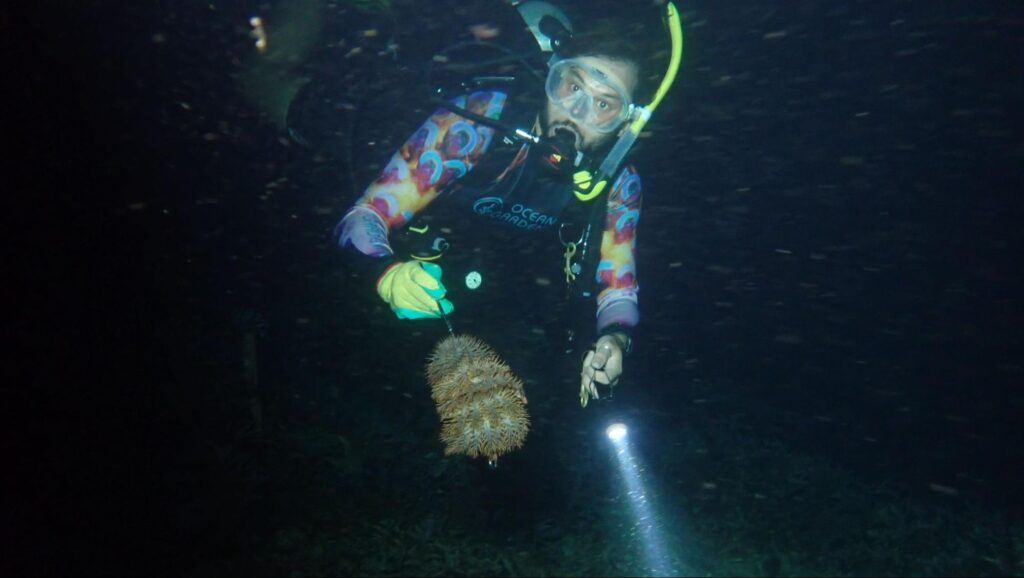
I embraced every aspect of the work with curiosity, and I’m so grateful to the team for letting me lend a hand. Being the first intern in Nusa Penida was an unforgettable experience. This program didn’t just teach me how to restore reefs—it gave me the practical knowledge and community I need to continue my own conservation journey.
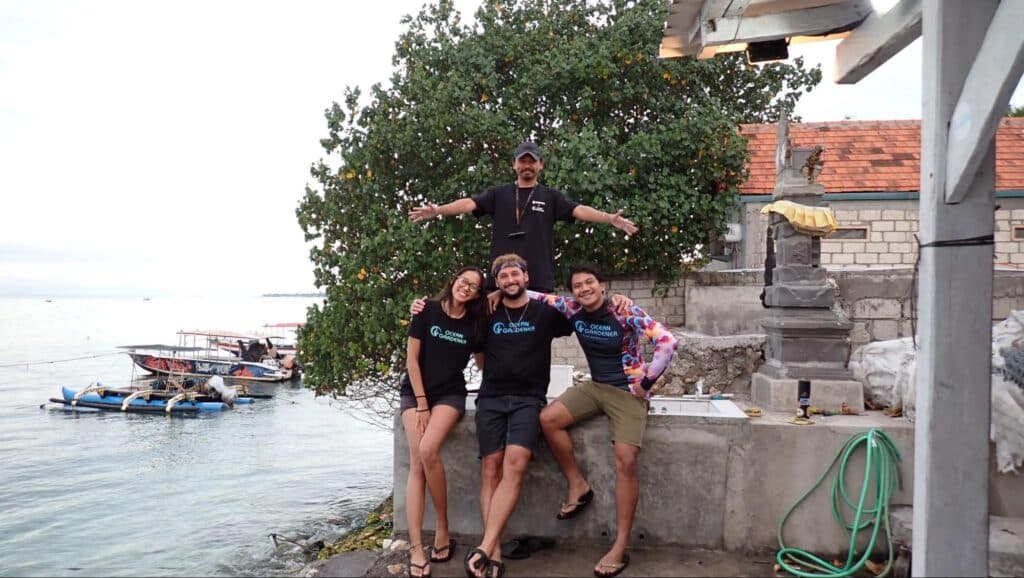
Come and join as an intern too
If you are a passionate diver or conservationist looking for an authentic, hands-on experience, we want to hear from you. Help us restore the reefs and build a lasting legacy. Apply for the Ocean Gardener Internship Program here.
Thank you, Ocean Gardener, for such an incredible two weeks. I’m already looking forward to my next dive with you!