
Tulamben, East Bali MERO MAT (Mineral Accretion Technology) Nursery Updates
The MERO MAT (Mineral Accretion Technology) system—an approach that uses low-voltage electrical currents to encourage faster mineral deposition and enhanced coral growth—continued to show strong progress this period. This method helps corals grow more quickly and improves their resilience during early development.
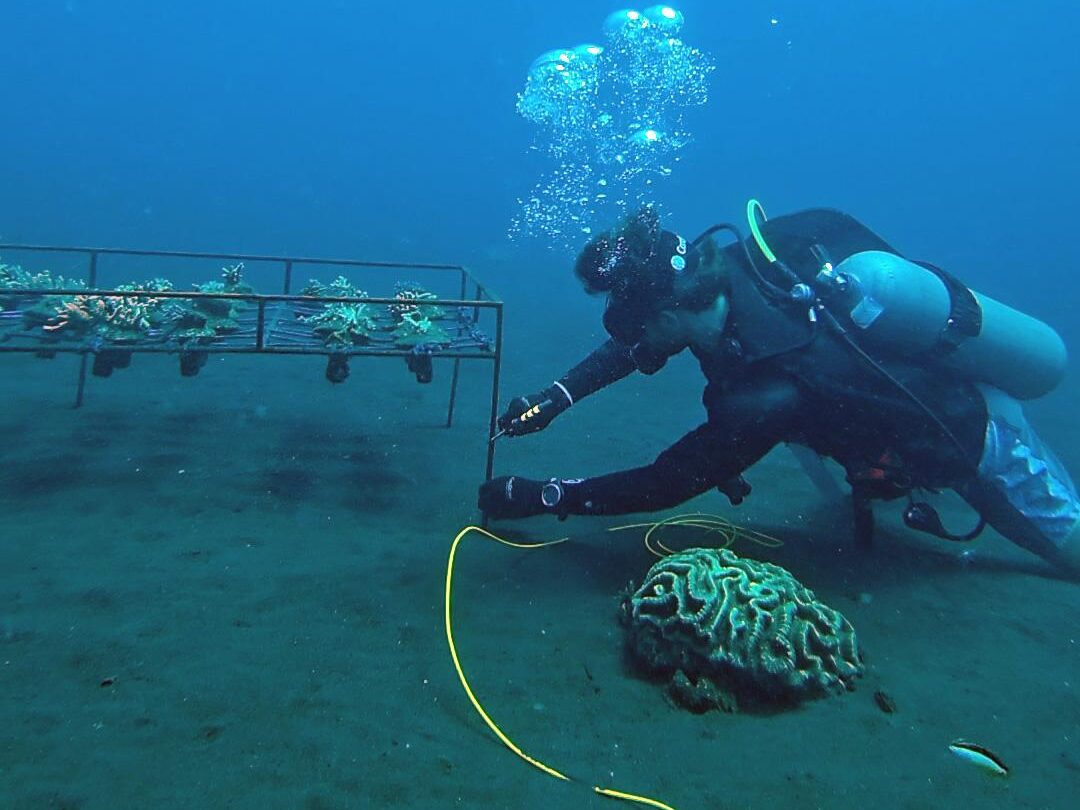
During November 2025, one new nursery rack was added, expanding our capacity to hold and grow young fragments before they are transferred to the reef. At the MAT site, 546 corals were seeded onto MAT tables, consisting of 540 Acropora sp., 3 Pocillopora, 2 Porites, and 1 Hydnophora, marking a significant increase in actively growing colonies. Additionally, four MAT Reef Stars were seeded, adding more structure and attachment points that strengthen habitat formation across the area.
Nursery activities also continued steadily. The rack nursery now holds 105 Acropora, while 160 Acropora fragments were outplanted using cement, supporting reef expansion in nearby zones and contributing to a more stable coral cover.
Pest management remained a critical component of this period’s work. The team successfully removed 2 Crown-of-Thorns starfish (1 medium, 1 large) and a total of 485 Drupella snails—including 215 small, 87 medium, and 183 large individuals. Regular removal is essential to protecting newly planted corals from predation and improving survival rates.
Together, these updates reflect strong progress across MAT deployment, nursery growth, and reef protection, positioning the project for continued success in the months ahead.
Lipah Bay, Amed Nursery Updates
We are pleased to share a more comprehensive update from the Lipah Nursery, where steady progress continues to support reef recovery and strengthen coral populations across the site. November 2025 marked an important month, with significant outplanting activities and active site maintenance contributing to the overall resilience of the ecosystem.
During November, a total of 253 corals were successfully outplanted using cement attachment methods. This effort included a diverse range of species: 164 Acropora, which are fast-growing branching corals essential for structural complexity; 39 Turbinaria, known for their plate-like formations; 38 Porites, a hardy massive coral that plays an important role in long-term reef stability; 10 Sarcophyton, 1 Pocillopora, and 1 Lobophytum, each contributing to improved biodiversity and habitat variety. The combination of these species ensures not only an increase in coral cover but also a richer and more balanced ecological community.
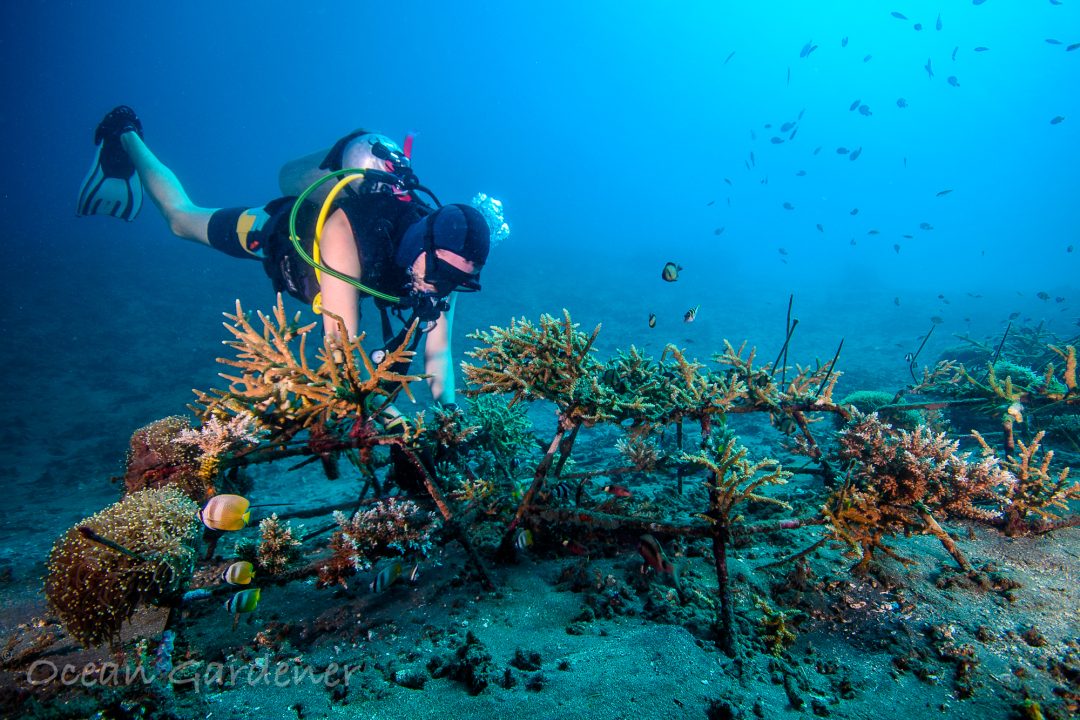
Progress continued strongly during the most recent period, with an additional 294 corals planted onto Reef Stars, an approach that allows for efficient, scalable restoration. Of these, 249 were Acropora sp. and 45 were Porites sp., both of which are key to building a strong and resilient framework for the surrounding marine life. The use of Reef Stars helps stabilize rubble areas and provides a sturdy foundation for young coral fragments to grow, ultimately accelerating reef recovery.
In parallel with planting activities, the team also carried out essential site maintenance. A total of 146 Drupella—coral-eating snails known to cause significant damage if left unmanaged—were removed from the Lipah area. This includes 25 small, 30 medium, and 91 large individuals. Regular Drupella removal helps reduce predation pressure on newly outplanted corals, improving their chances of survival during these critical early stages.
Together, these efforts represent meaningful progress in restoring coral cover, enhancing species diversity, and maintaining the health of the Lipah reef site. Continuous monitoring and field activities will remain a priority in the months ahead as we work to ensure long-term growth and stability.
Ped, Nusa Penida Coral Restoration Site Update
We are pleased to share an extended update from the Ped Project, highlighting the major restoration efforts and ecological interventions carried out during this period. The team has made substantial progress across several restoration components, showing encouraging signs of ecosystem recovery and improved site stability.
A total of 2,695 corals were outplanted, consisting of 2,595 Acropora—a fast-growing branching species crucial for reef structure—and 100 Echinopora, which adds important plate-like formations for habitat complexity. These outplanting activities significantly expand coral cover and help accelerate the development of a more diverse and resilient reef community.
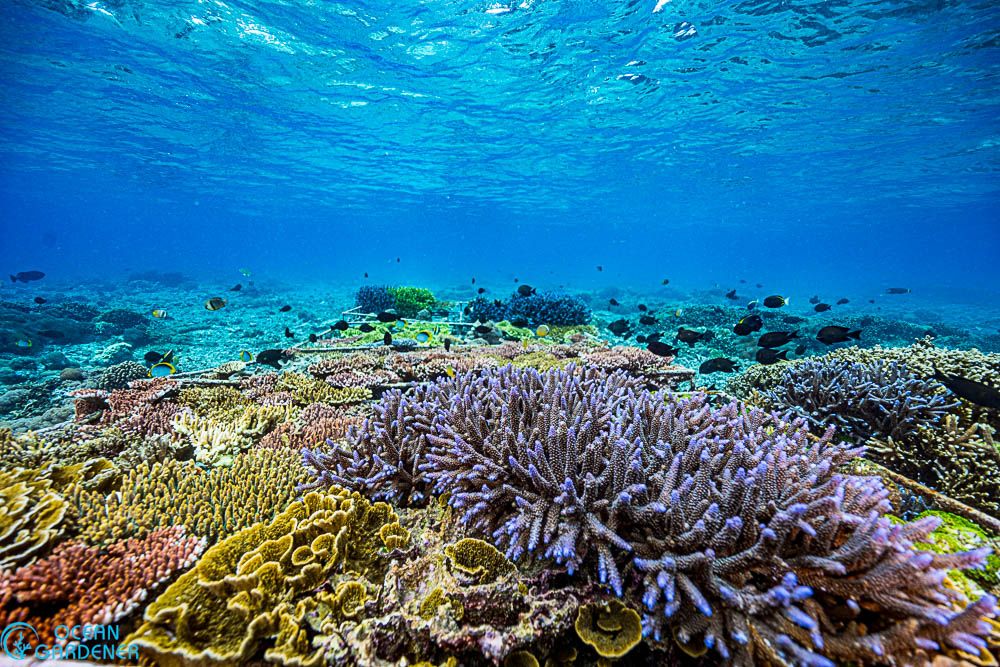
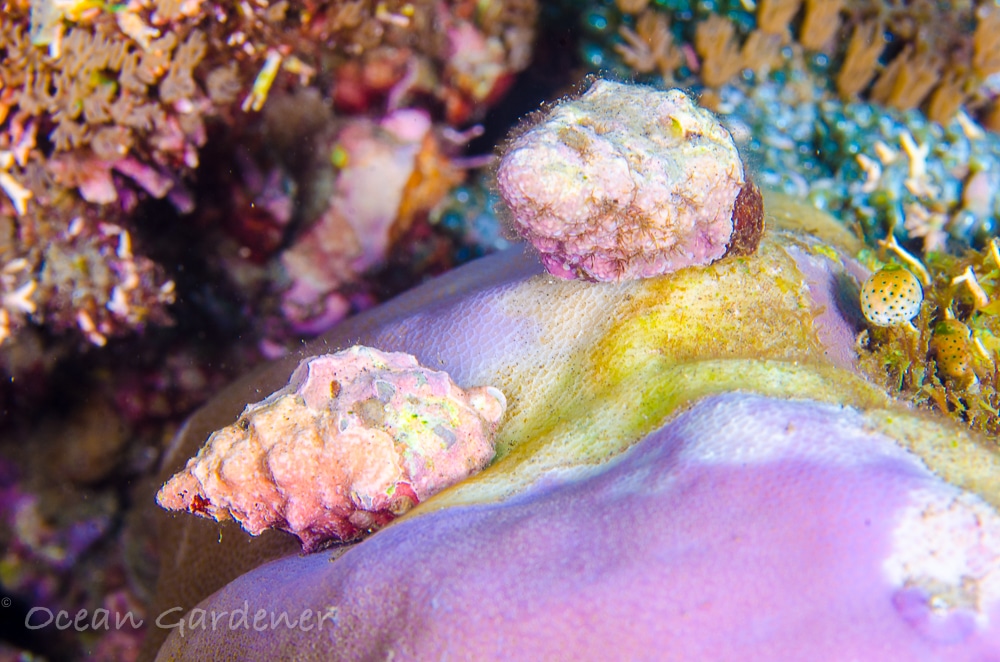
Predator removal efforts also played a major role in this period’s work. The team successfully removed 2,145 Drupella snails, including 26 small, 584 medium, and 1,535 large individuals. These coral-eating snails can cause severe damage if left unmanaged, making their removal essential to improving survival rates of newly outplanted corals. In addition, 27 Crown-of-Thorns Starfish (COT)—a high-impact coral predator—were also removed, consisting of 6 small, 9 medium, and 12 large individuals. This ongoing control remains a key component in protecting restored coral colonies from predation pressure.
Mesh Rubble stabilization trials in Ped
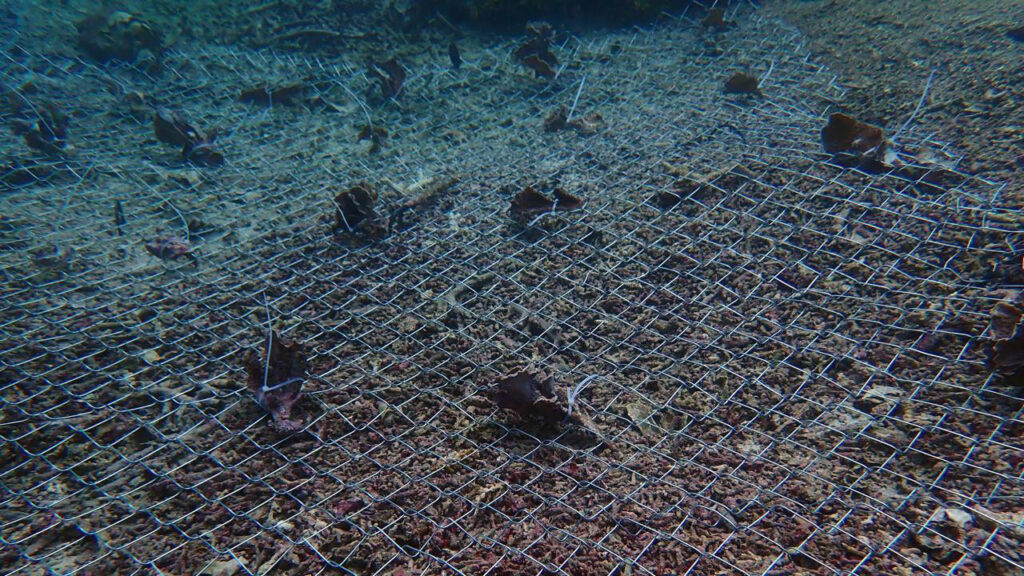
A significant advancement this period was the introduction of new substrate stabilisation work using wire mesh fencing. This method helps secure loose rubble, creating a more stable foundation for coral attachment and long-term habitat formation. As part of this effort, the stabilised area was seeded with 500 Echinopora lamellosa corals, adding immediate biological value to the site and supporting faster consolidation of the benthic structure.
This is an important effort aimed at improving substrate stability in rubble-dominated areas and enhancing long-term coral recovery potential. This approach targets sections of the reef where loose rubble has historically made it difficult for corals to attach, survive, and grow.
The trial involves installing wire mesh fencing over unconsolidated rubble, creating a more stable surface that minimizes substrate movement caused by waves, currents, and grazing organisms. By securing the rubble in place, the mesh provides a consistent foundation for coral fragments, increasing their chances of successful attachment and early growth.
During this phase, the team completed mesh installation across selected areas of the site, followed by seeding the stabilized sections with the 500 Echinopora lamellosa corals. We will continue to monitor their survival, attachment, and overall performance. Early observations have been encouraging: corals placed on stabilized rubble appear better protected from shifting substrate and show stronger potential for long-term establishment.
This method offers several advantages, including cost-effectiveness, flexibility in deployment, and suitability for large or irregular areas that cannot be restored using traditional methods. Monitoring will continue over the coming months to evaluate coral growth, mesh durability, sediment accumulation, and broader ecological responses.
The Mesh Rubble Stabilization Trials mark a meaningful step toward refining restoration techniques in rubble-dominated environments, and the results will guide wider implementation across the PED project site. We look forward to sharing further insights as data collection progresses.
Adding to the Nusa Penida Site with different techniques
Several planting techniques were also implemented to diversify restoration strategies. A total of 208 corals were planted using the rope technique, which allows efficient deployment across rubble fields and promotes rapid early growth. Additionally, corals were outplanted using cement, providing strong, long-lasting attachment points in areas with suitable substrate conditions. A new method was also introduced this period: 60 corals were planted using an innovative ceramic holder engineered in KSA, designed to improve stability, simplify installation, and enhance survival of young coral fragments. This innovation represents a promising step toward more effective restoration tools adapted to local environmental conditions.
Come visit us to support our work
Thank you for everyone’s ongoing support with donations, taking our courses and visiting our nurseries. You can visit one of our nurseries in Amed, Nusa Penida or Candidasa to help support our work, or take one of our courses.