
“Every corner of the world is a laboratory for a curious man.”
For several years, my journey with corals was shaped by the mariculture industry. Working in coral farming for the export sector taught me the importance of coral husbandry, species identification, handling techniques, and maintaining healthy coral fragments. But I kept finding myself asking a bigger question: how can these skills contribute directly to protecting coral reefs in the wild?
I was very happy to join the Ocean Gardener team, and part of my training was to take the full 4 weeks of the Coral Restoration Course.
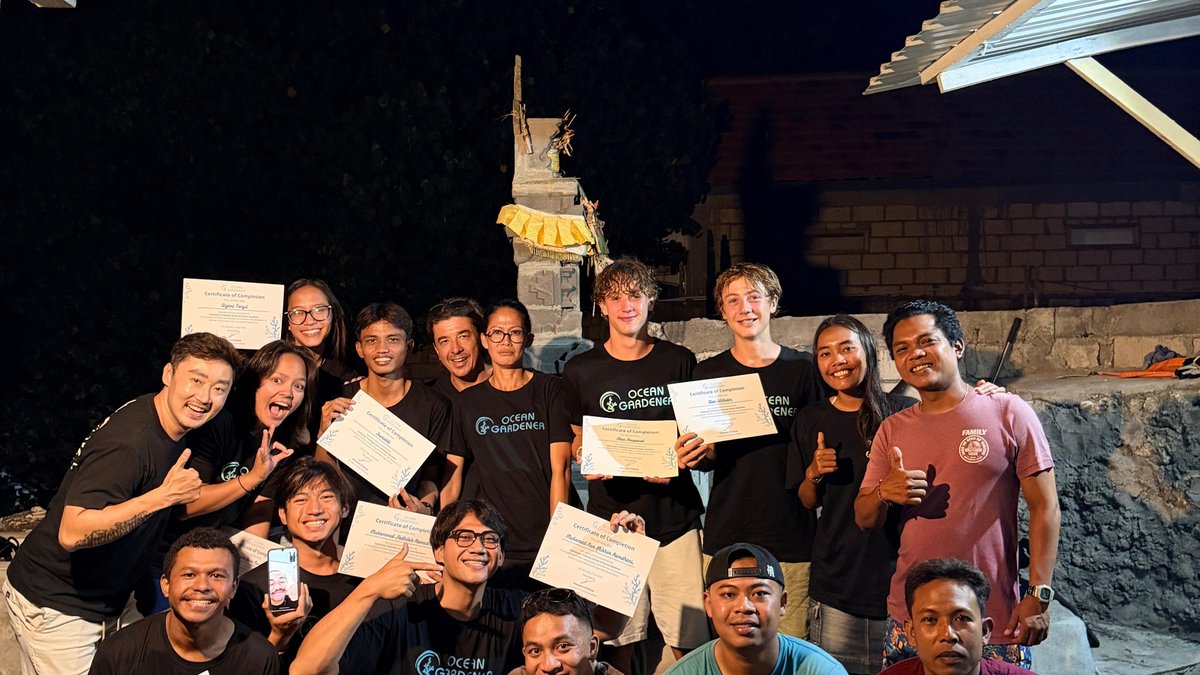
From coral production to coral ecosystems
This course completely transformed my perspective. Rather than viewing corals primarily through cultivation and production, I learned to see them as integral components of highly complex ecosystems. Successful coral reef restoration isn’t simply about attaching coral fragments to artificial structures — it requires understanding ecological interactions, long-term monitoring, biodiversity, environmental resilience, and the many natural processes that determine whether restored reefs will actually thrive for years to come.
One of the aspects I appreciated most throughout the course was the balance between theory and field practice. Every lesson delivered in the classroom was reinforced through direct application underwater, which let us understand not only what restoration techniques are used, but why they’re necessary in the first place.
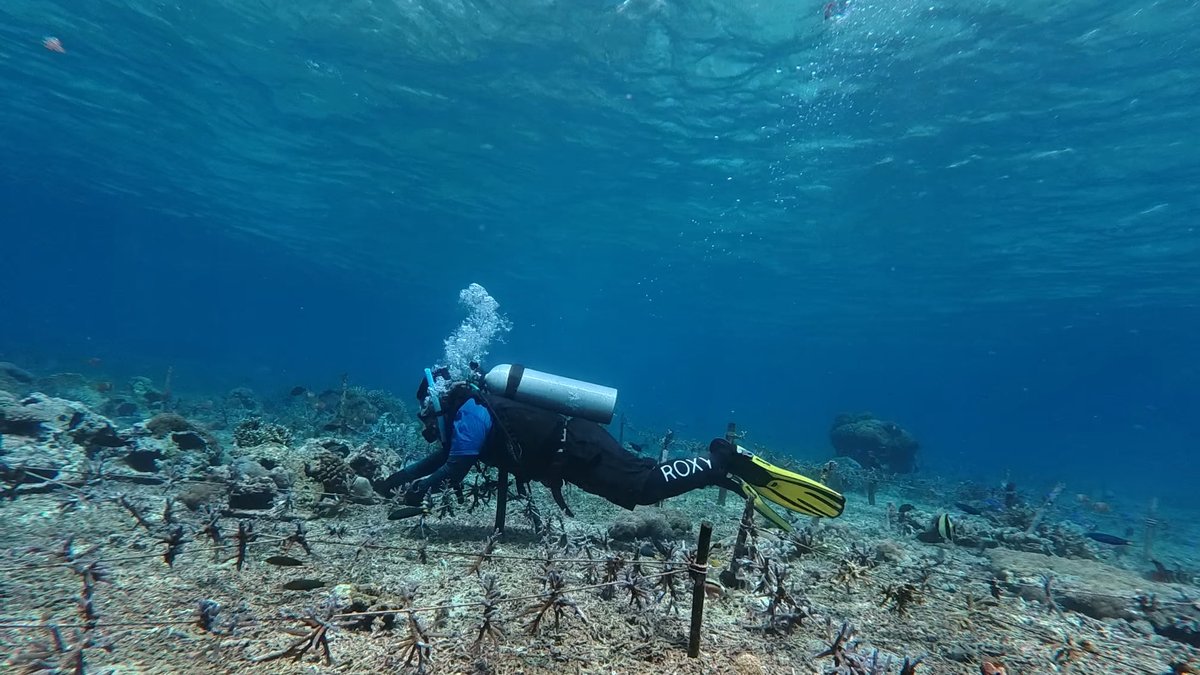
Two reefs, two very different lessons: Amed and Nusa Penida
During June, I had the opportunity to gain hands-on experience in coral reef restoration across two locations with very different environmental conditions: Amed and Nusa Penida. The contrast between these ecosystems became a valuable learning experience in itself, reminding me that restoration can’t follow a one-size-fits-all approach — what works on one reef won’t necessarily work on the next.
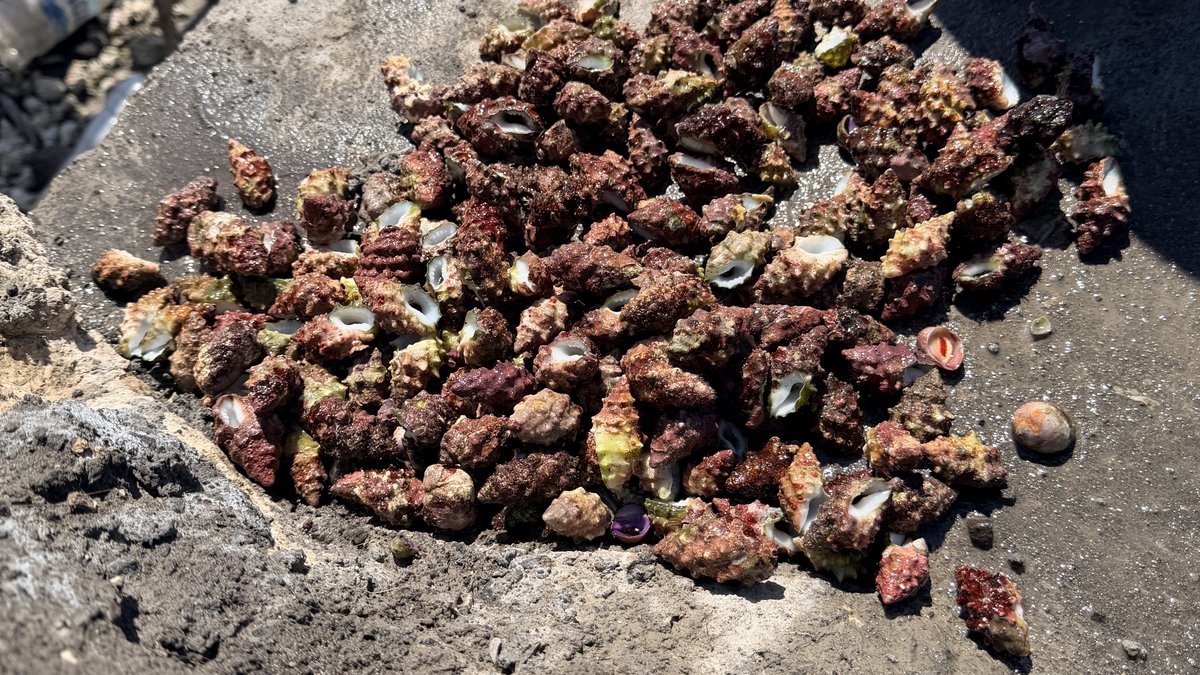
Throughout the training, I learned that conservation requires consistency, collaboration, and long-term commitment. As part of the coral restoration course, we explored ecological survey methods such as quadrat transects, photogrammetry, and 3D mapping to better document coral reef conditions. We also covered the importance of regular restoration site maintenance — managing coral predators such as Crown-of-Thorns Starfish (Acanthaster spp.) and Drupella snails, and removing algae and sponges that can smother and hinder coral growth.
What this training changed for me
This training opened a new perspective for me on the importance of integrating scientific knowledge, conservation practices, and ecosystem management to support the long-term sustainability of coral reefs. Completing the Coral Reef Restoration Course has become an important milestone in my professional journey.
I want to express my sincere gratitude to the entire Ocean Gardener team, the instructors, and my fellow participants of Coral Reef Restoration Course Batch 8 for creating such a meaningful learning experience. Every dive, discussion, and challenge we faced together reminded me that restoring coral reefs takes dedication, collaboration, and a continuous willingness to learn.
This training isn’t the end of my journey — it’s the beginning of a commitment to keep contributing to coral reef conservation in Indonesia.
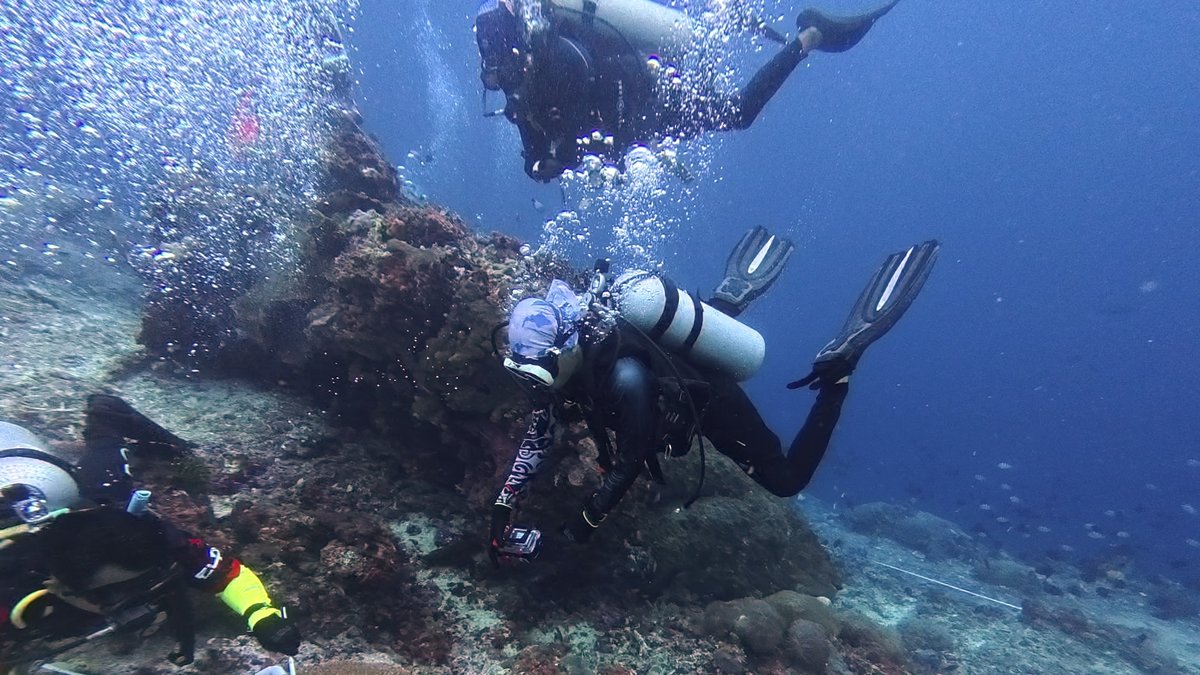
Want to train like Dhani did?
Dhani’s batch took Ocean Gardener’s Coral Restoration Full Certificate course — a hands-on, dive-based coral restoration certification run across weekly modules covering coral biology and identification, nursery management, reef restoration techniques, and long-term monitoring. It’s taught in Bali (Amed, Tulamben and Nusa Penida) and, on select intakes, aboard a liveaboard in Raja Ampat, and it’s open to anyone who wants to build real, applicable skills in coral reef restoration — whether that means starting a project of your own or, like Dhani, turning years of coral industry experience toward conservation instead.