
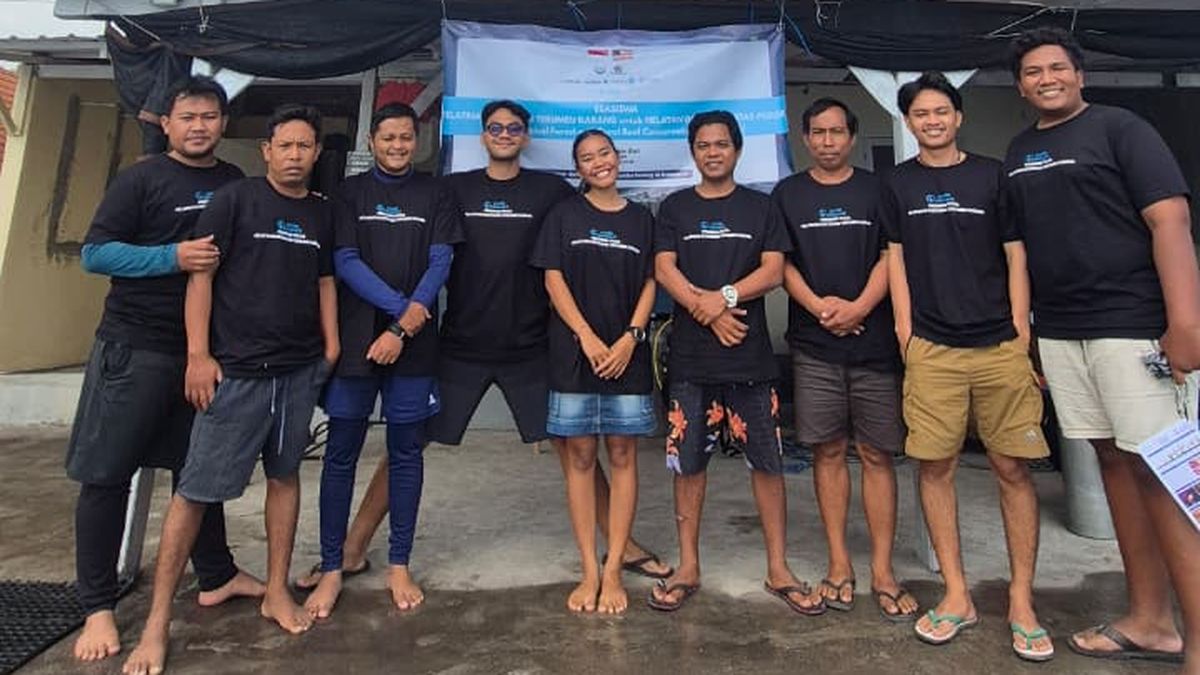
Ocean Gardener x TFCCA: how it all started
In July 2024, the governments of the United States and Indonesia signed the Tropical Forest and Coral Reefs Conservation Act (TFCCA) agreement — the first debt-for-nature swap ever to include coral reef conservation alongside forest protection. Konservasi Indonesia, acting as Conservation International’s representative in Indonesia, was tasked with managing the resulting budget and selecting the organizations that would put it to work. Fifty-eight organizations were chosen. Ocean Gardener is one of them.
What it meant for those of us on the ground at Ocean Gardener was the chance to design something we’d wanted to run for a long time: a training program built specifically for the local people who live closest to Indonesia’s reefs, rather than for scientists or students passing through.
How this training is different from our usual course
Konservasi Indonesia’s TFCCA announcement opened up funding for a wide range of forestry and reef conservation activities. We already had a strong foundation to build from — our four-week Coral Reef Restoration Course has been training divers from around the world for years. But this structure needed to be adapted for the local course attendees.
We designed a new three-week program aimed squarely at local community leaders. Local Indonesians with direct, daily impact on the reefs around them: community leaders, fisheries officials, and fishermen’s association leaders — the people already making decisions about their local reefs, whether or not they’ve had formal training to do it. The course is condensed and delivered for the first time in Bahasa Indonesia.
Meet the awardees
We split the program into two batches by geography. The first covered Bali and the Lesser Sunda Islands — including West Nusa Tenggara (NTB) and East Nusa Tenggara (NTT); the second, running in the third week of September, covers Maluku and West Papua.
Batch one ran from 13 to 31 July and we couldn’t have asked for a stronger group to kick things off. Seven divers joined us from across Bali and Lombok — a mix of local community members, students, and one participant from the Denpasar branch of Indonesia’s Ministry of Marine Affairs and Fisheries. Different backgrounds, one shared reason for being there: reefs they’d grown up around, and wanted the tools to actually help restore.
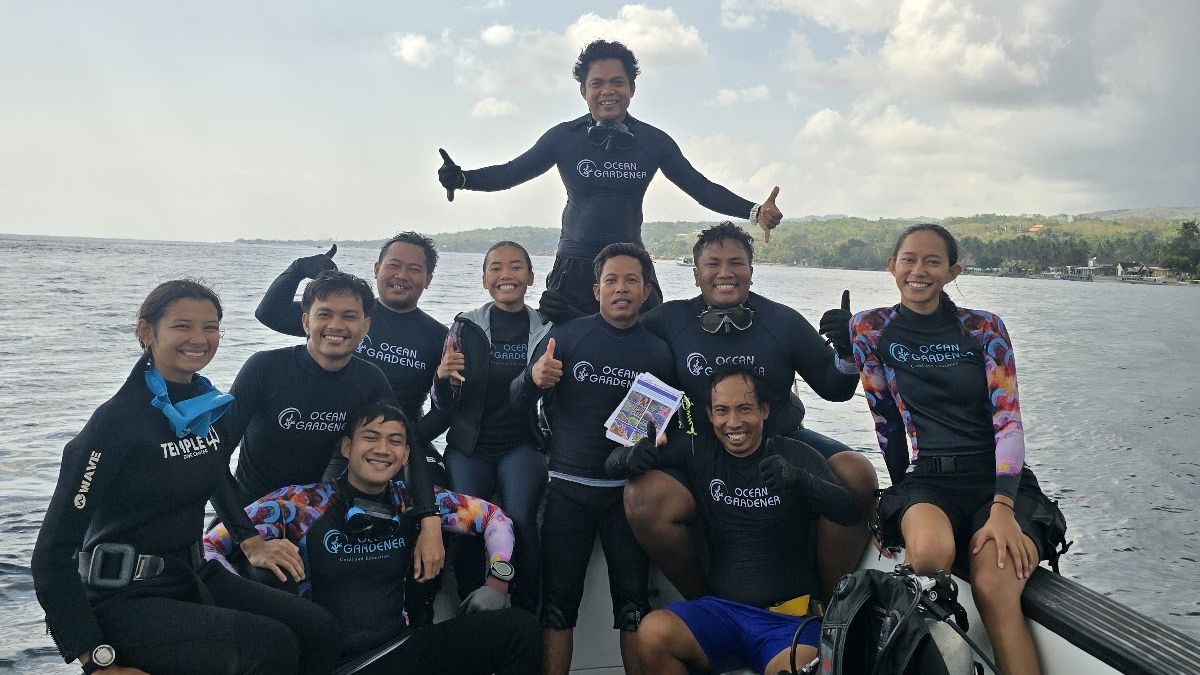
Three weeks at the Coral Lab
Both batches are hosted at our Coral Lab in Ped, Nusa Penida, and batch one alone added up to almost 20 dives and freedives.
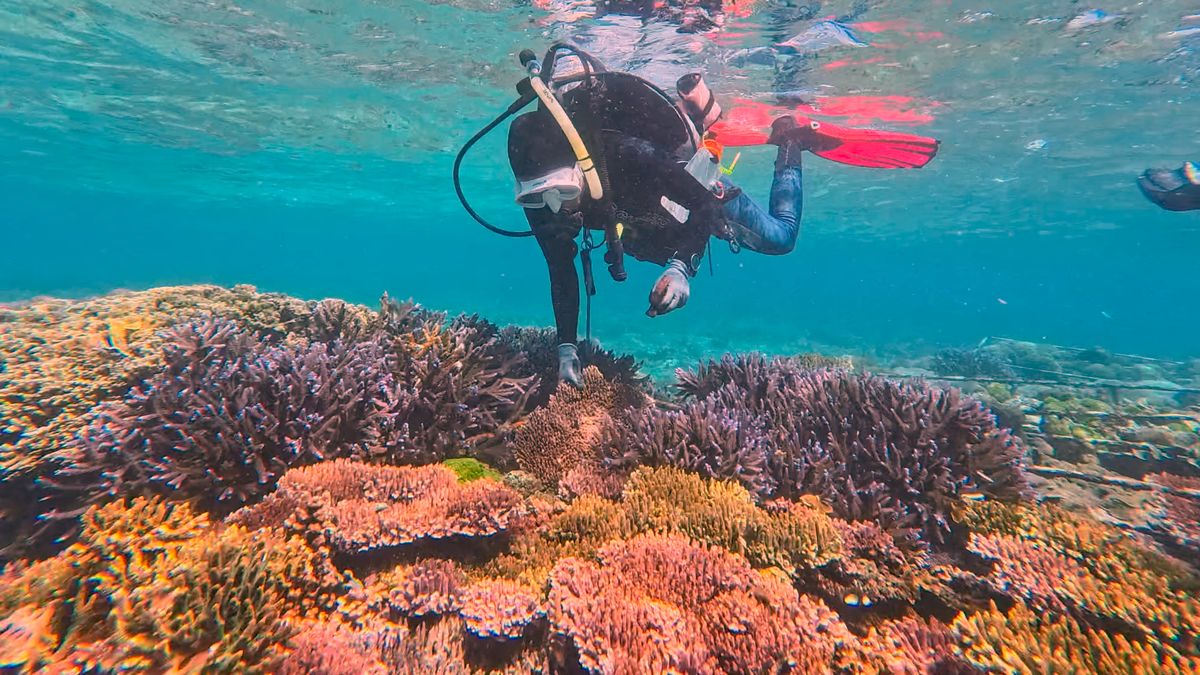
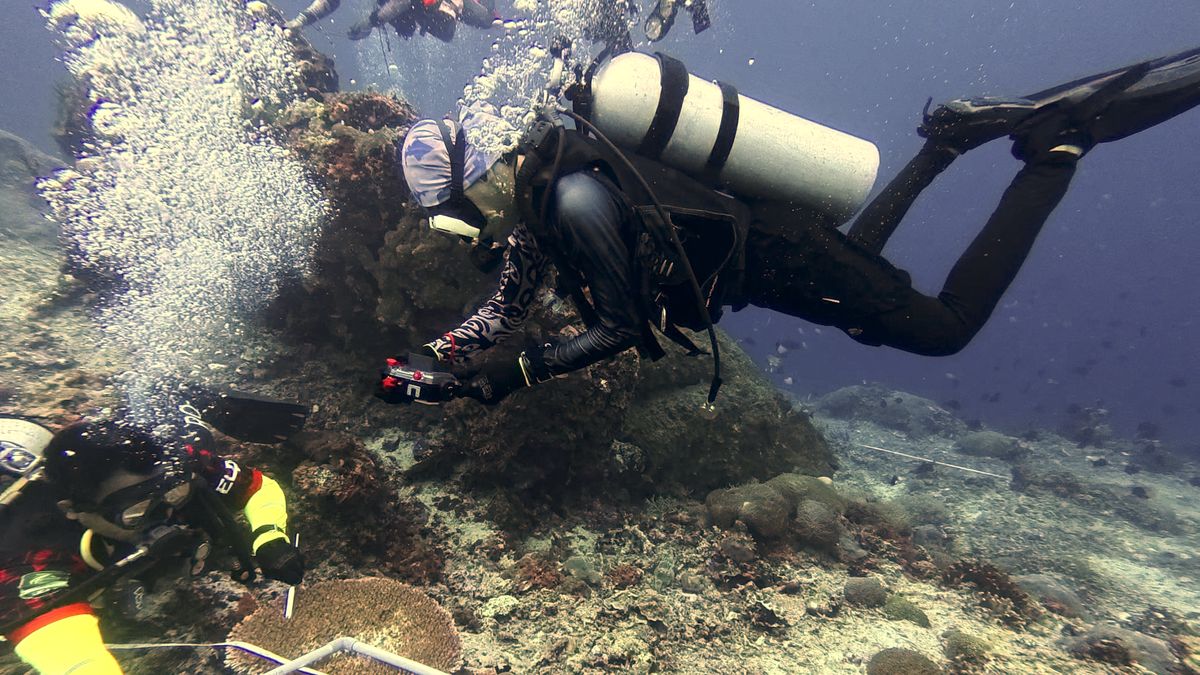
Week one was focused coral identification — 33 different hard and soft coral genera, taught across multiple dive sites on Nusa Penida’s north and south coasts. This is important for the attendees to understand which corals belong in which niches, for them to be able to read their reefs and to ensure they can select the right corals to replant in their home reefs.
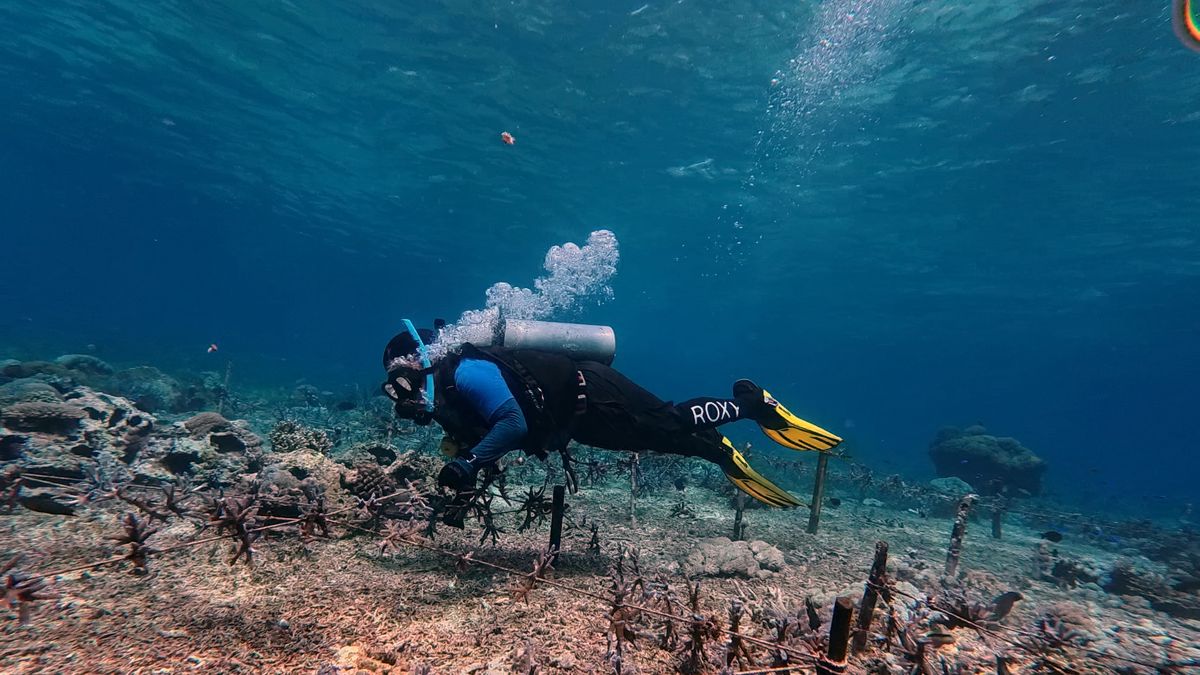
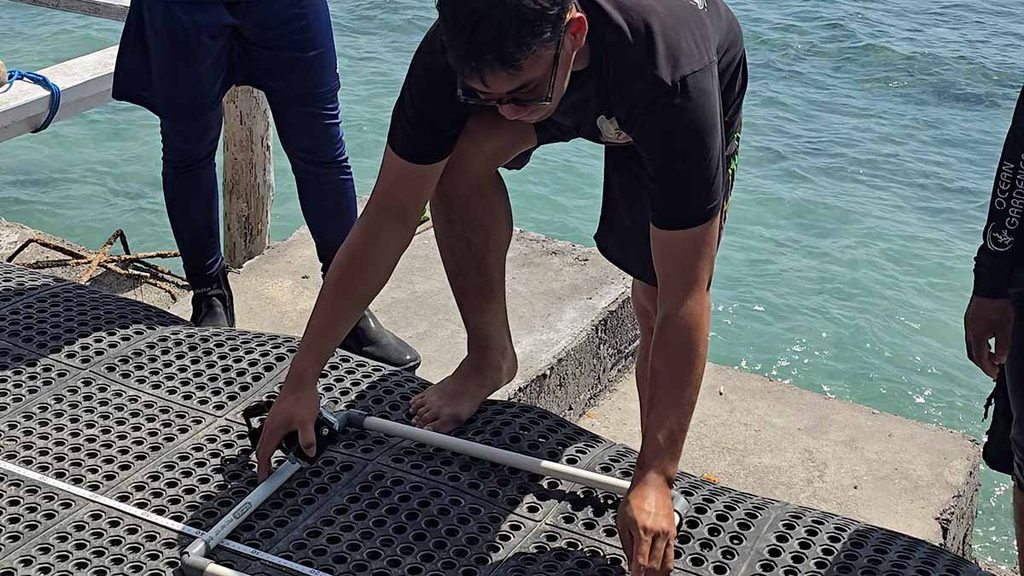
Week two moved into coral gardening: pest removal, outplanting, substrate stabilizing, and nursery building. Participants got hands-on with every stage of a nursery’s life — preparing it, deploying it, filling it with fragments, maintaining it, and monitoring how it develops. We deliberately taught more than one technique here, because no single method performs the same way at every site. The goal is for each participant to leave able to judge which approach actually fits the reef back home, not just repeat what worked in Nusa Penida.
Week three was all monitoring — assessing baseline reef conditions before a restoration project even starts, and then tracking the impact of the work afterward. We put real weight on the follow-up: evaluating techniques, tracking survival rates, and building the habit of writing it all up in a proper report. A restoration project that’s never monitored is just a guess with good intentions. This also helps document their work.
The result
Every participant from batch one completed the course, and completed it well. They’re now equipped to either launch a new restoration project in their own area or strengthen work they’d already started. We held the certification ceremony at the Coral Lab, and it’s not where our involvement ends — over the coming months, our team is committed to visiting each participant’s site to see how things are progressing, help troubleshoot, and act as a sounding board for whatever comes up once they’re restoring on their own.
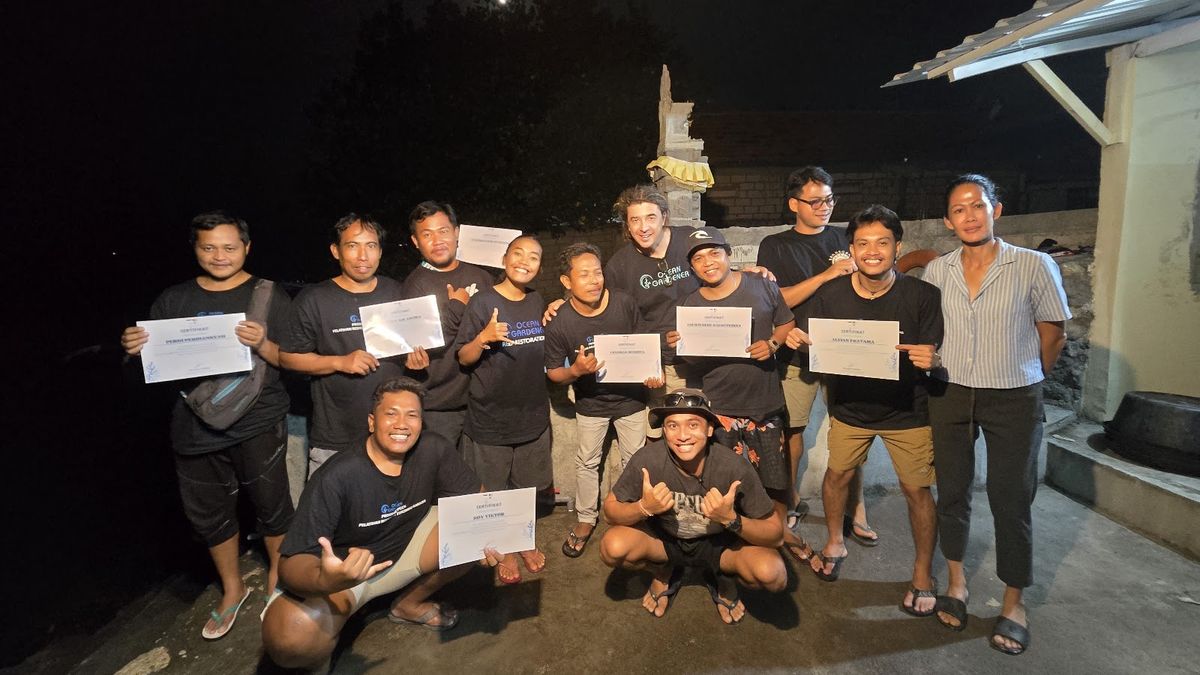
There’s plenty we’ll refine before batch two begins, but if batch one is any indication of what’s possible, we’re optimistic about what these seven are going to build.
Looking ahead
Our hope is that this becomes a program we run regularly, not a one-off. Conservation doesn’t only belong to people with a doctorate in coral science — it starts with the people who live with a reef as their backyard, who’ve watched it change over a lifetime. On their own, most of these communities don’t have the capital to fund large-scale restoration. That’s exactly why the partnership between those who hold the stake in a reef’s future and those willing to get in the water matters so much.
If this course does what we hope, it raises awareness across very different levels and backgrounds that we are all, in the end, connected to and dependent on these reefs — and that restoring them is work anyone willing to learn can take part in.
For any local Indonesians interested in participating, or wanting to nominate someone, please fill out the Scholarship form.
For any scuba diver interested in the same format, you can look at our Coral Restoration Full Cert modules or the shorter 3-day Intro to Coral Restoration course in Ped. All proceeds go towards funding our coral restoration work.