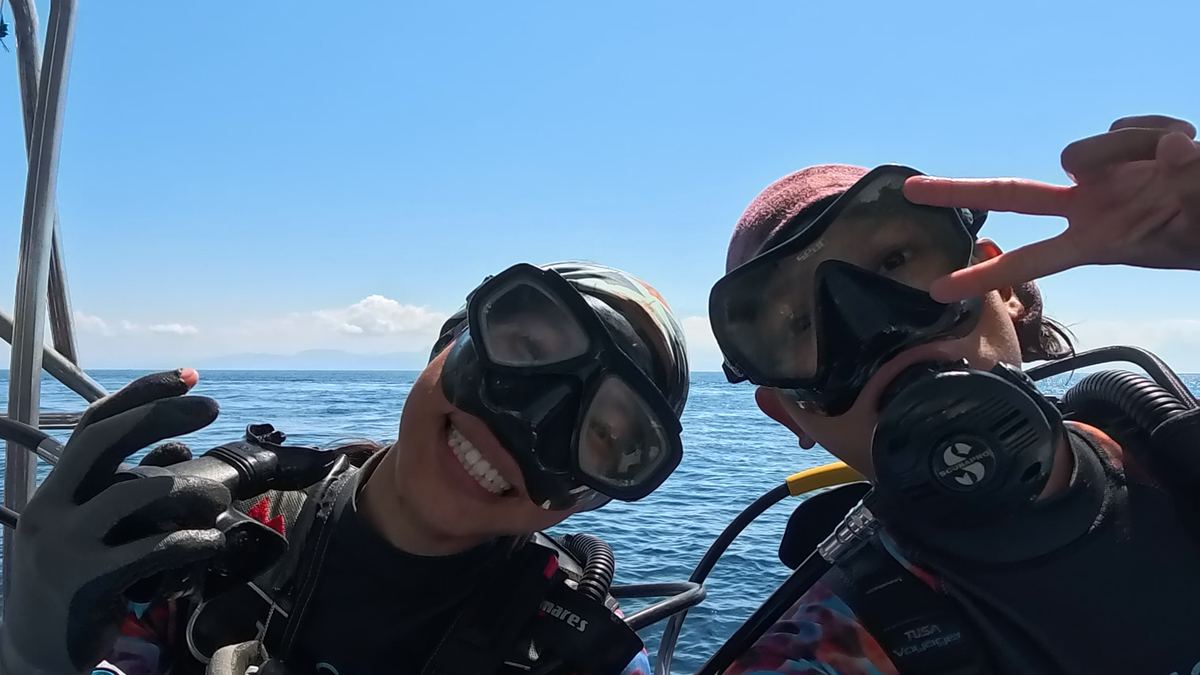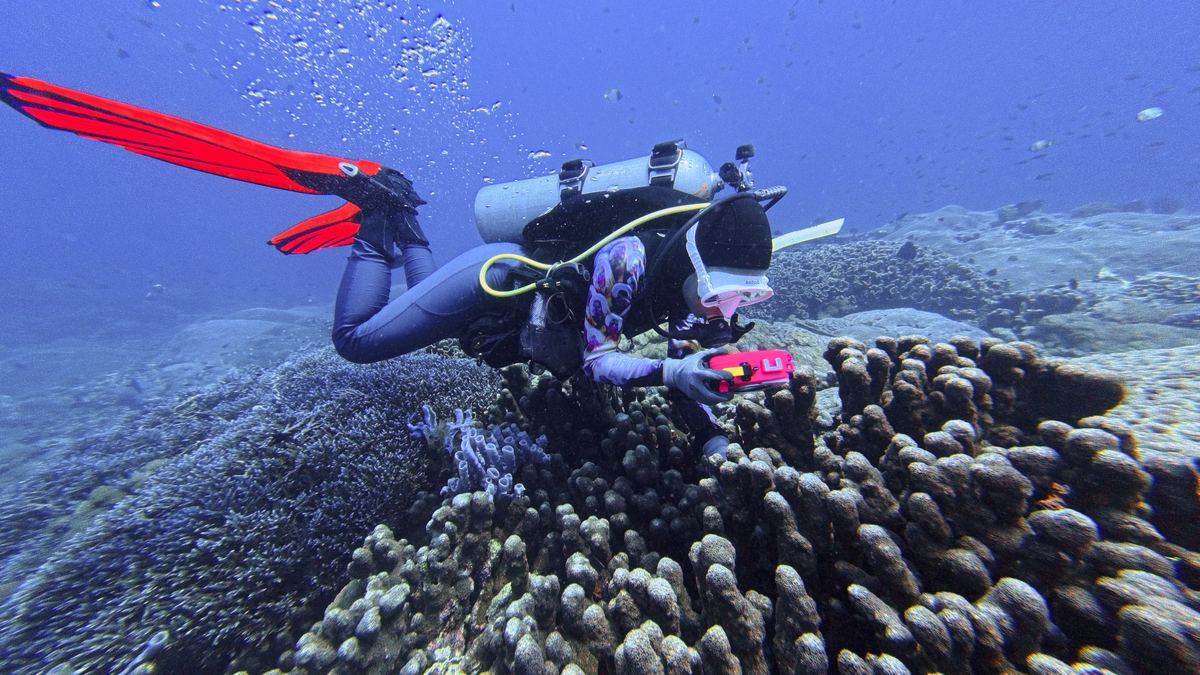
We’ve watched a lot of divers do a lot of damage to coral without ever meaning to. A fin kick that clips a fragile branch. A hand braced against a “rock” that turns out to be a colony decades in the making. None of it is malicious — it’s almost always a diver who just hasn’t been taught what reef-safe diving actually looks like in practice, not just in theory. After years of running restoration dives and coral courses in Bali, here are the habits we see separate divers who protect reefs from divers who unknowingly wear them down.
1. Get your buoyancy dialed in before you go near coral
This is the single biggest predictor of how much damage a diver does to a reef, full stop. If you’re still adjusting your position by grabbing onto things, or your depth drifts a meter or two without you noticing, you’re not ready to dive close to a reef structure yet. Spend the time in open water perfecting trim and buoyancy — or better, take a buoyancy-specific course — before you dive a site with sensitive coral.
2. Keep your hands to yourself
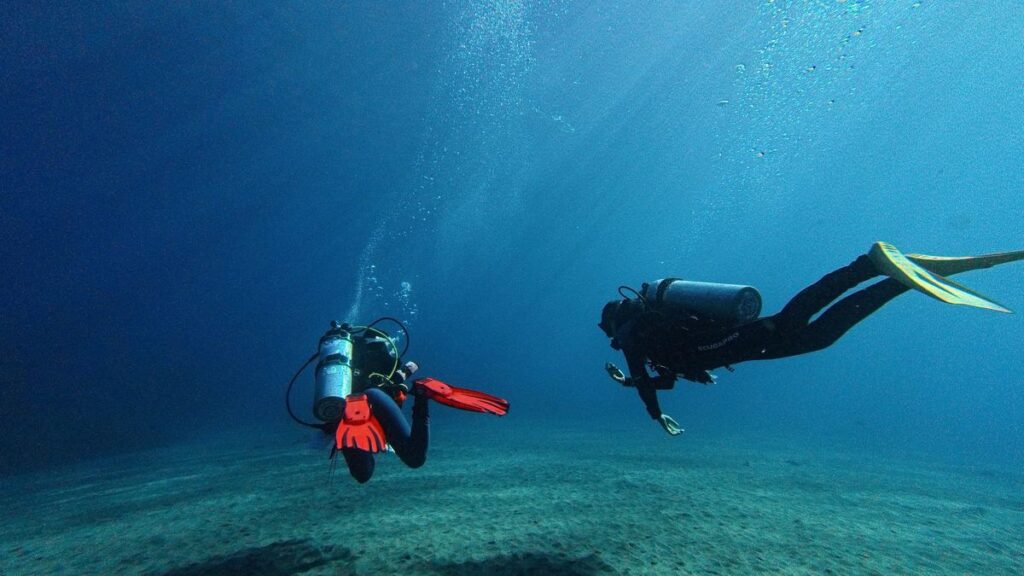
The no-touch rule isn’t about being precious — coral is a living animal covered in a thin layer of mucus and tissue that protects it from disease and infection. A bare hand, even a gentle one, can strip that protective layer and open the coral up to infection that can kill a colony weeks after you’ve already forgotten you touched it. Treat every reef structure, live or looking dead, as something you look at and never grab.
3. Watch your fins, not just your hands
Fin damage is usually invisible to the diver causing it, because it happens behind you. Wide fin kicks near a reef wall or a shallow nursery structure can shatter fragile branching coral in a single pass. Keep your kicks smaller and higher than open-water habit dictates whenever coral is anywhere near your fin radius, and do a mental check of what’s behind and below you before you turn.
4. Streamline every piece of loose gear
A dangling gauge, an unclipped octopus, a loose fin strap — all of it becomes a hazard the moment you’re diving near coral, because you often can’t see or feel it dragging until it’s already snagged something. Before any dive near a reef or nursery, do a full gear check specifically for anything that can swing, drag, or trail behind you.
5. Dive slightly negative on weight, not positive
Overweighted divers compensate with more air in the BCD, which makes buoyancy swings bigger and harder to control — exactly the instability that leads to unplanned contact with the reef. Do a proper weight check at depth at the start of your trip, not just once years ago, since body composition, exposure suit, and tank type all change what you actually need.
6. Look, don’t chase
Marine life stress responses aren’t always obvious to a diver in the moment — a fish that swims off “casually” may still be spending energy it needs for feeding or evading real predators. Chasing marine life for a better photo or a closer look also tends to push divers into exactly the kind of erratic, close-quarters movement that damages reef structure. Let animals set the distance, always.
7. Mind where your exhaust bubbles and kicked-up sediment go
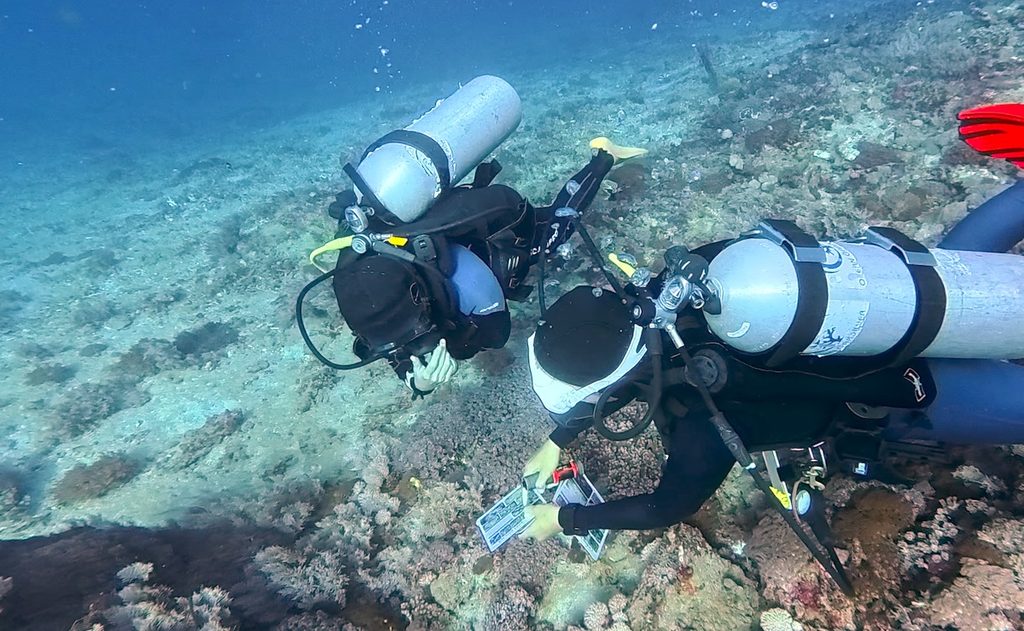
Sediment stirred up from sandy bottoms near a reef can settle on coral and smother it, blocking the light it needs — this is a slower, less dramatic form of reef damage than a snapped branch, but a cumulative one across hundreds of divers a season. Stay slightly higher in the water column than feels natural over sandy or silty bottoms close to reef structure.
8. Switch to reef-safe sunscreen — or skip it for a rash guard
Chemical sunscreen ingredients like oxybenzone and octinoxate wash off divers’ skin and are directly toxic to coral, even in tiny concentrations. We’ve written a full guide on what “reef-safe” sunscreen labeling actually means and which ingredients to avoid — but the simplest fix is often a rash guard instead of sunscreen entirely on dive days.
9. Don’t feed fish, ever
Feeding fish to get them close for photos or just for the novelty trains them to associate divers with food, which changes their natural feeding behavior and can concentrate them unnaturally around dive sites — disrupting the reef’s actual ecological balance. It’s a habit that feels harmless in the moment and causes real, lasting behavioral change in a reef’s fish population.
10. Put your diving toward something that gives back
The most reef-safe divers we know don’t just avoid damage — they actively contribute to reef health. That can mean something as simple as reporting damage or bleaching you spot to a local conservation program, or as hands-on as joining a coral restoration tour or course, where your dive time goes directly toward planting and maintaining new coral rather than just observing existing reef.
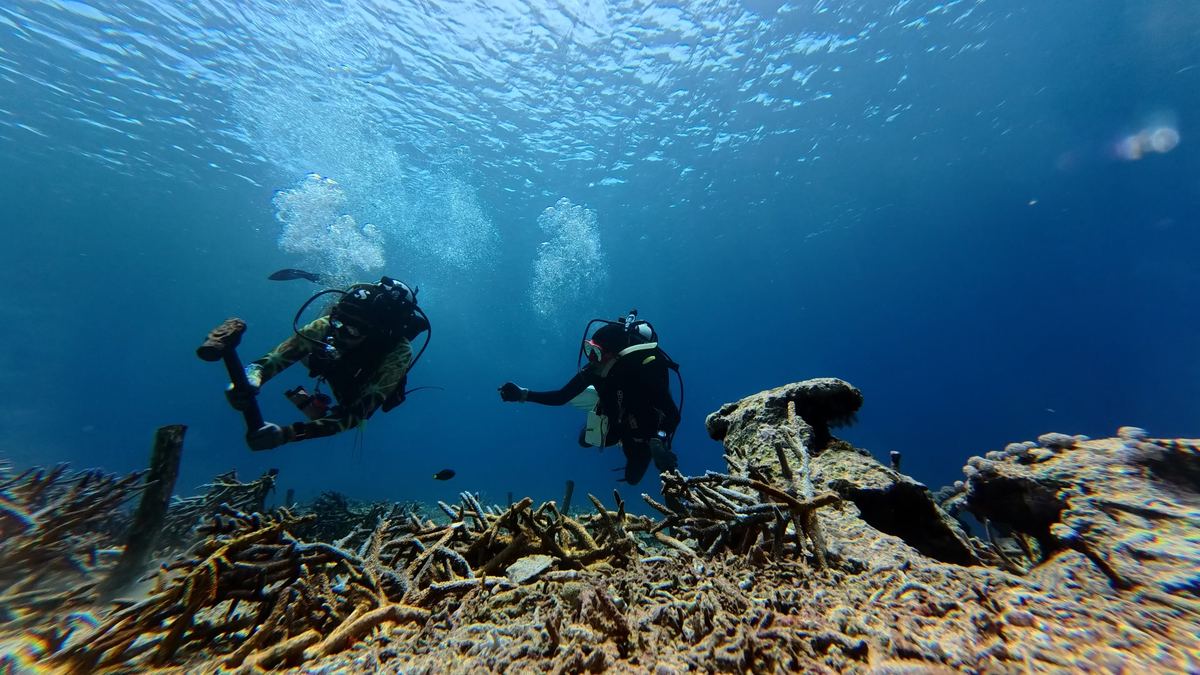
Reef-safe diving isn’t really a checklist you finish — it’s a set of habits that get more automatic the more time you spend underwater with intention. If you want to put those habits to direct use, our Nusa Penida and Amed coral restoration experiences are a hands-on way to dive with a purpose beyond sightseeing, and our Intro to Coral Restoration course goes a level deeper for divers who want to build real restoration skills. Not certified yet? Our guide on snorkeling vs. diving for coral restoration breaks down what you can do either way.