
Over 13,000 corals outplanted in Nusa Penida
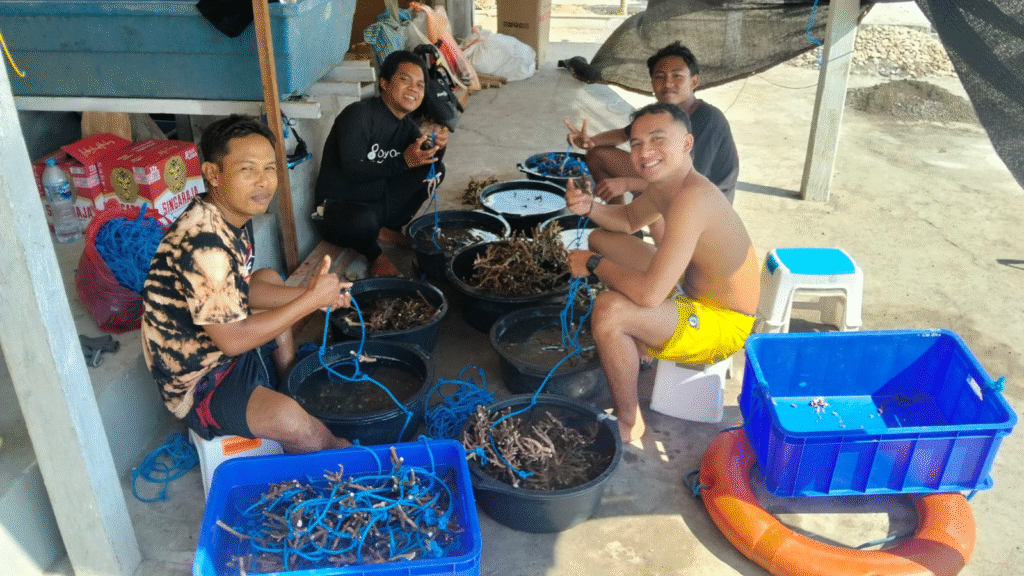
During this reporting period, Ocean Gardener and the local community successfully planted a total of 13,420 corals here in Ped, Nusa Penida
10,000 coral fragments were outplanted onto degraded reef areas in Ped, Nusa Penida, through a collaborative restoration effort involving the local fishermen community.
This large-scale outplanting not only increased the number of corals restored but also contributed to the recovery of reef habitats that have been damaged by environmental degradation.
Achieving this milestone required significant dedication from the community. Strong currents, changing sea conditions, and challenging underwater working conditions made coral planting physically demanding. Despite these obstacles, community members coordinated their schedules, gathered regularly, and worked together to complete the outplanting activities. Their commitment demonstrates how community-led conservation can create meaningful and lasting impacts for coral reef recovery.
New Montipora Nursery
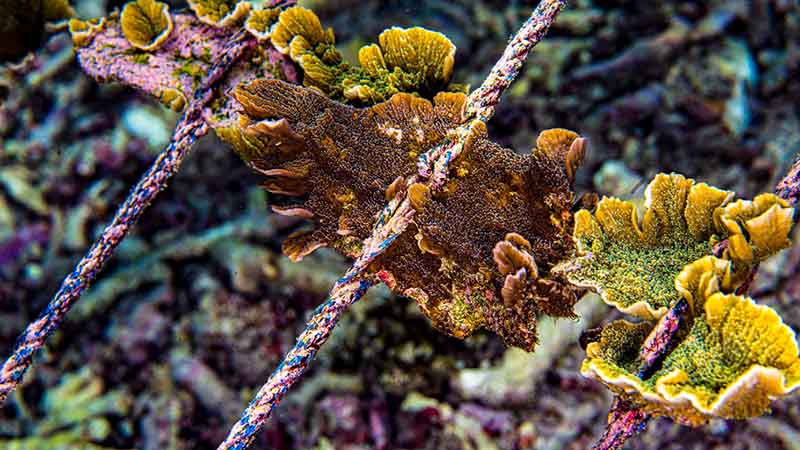
In addition to the community outplanting effort, we established a new Montipora nursery consisting of 3,420 coral fragments. This nursery was created to increase the diversity of coral species cultivated within our restoration program while supporting future reef rehabilitation and contributing to coastal ecosystem resilience.
The establishment of the Montipora nursery was initiated in response to a severe storm and large waves that struck Nusa Penida in March 2026. The extreme weather caused significant damage to shallow reef habitats, dislodging and fragmenting numerous Montipora colonies. Rather than allowing these naturally broken colonies to be lost, our team carefully collected healthy fragments that remained viable and relocated them into a newly established nursery.
By rescuing these storm-generated fragments, we transformed a disturbance into an opportunity for restoration. The nursery provides a safe environment where the corals can recover, grow, and eventually be used for future outplanting activities, while also expanding the diversity of coral species within our restoration sites.
Together, these two initiatives—10,000 community-led coral outplants and the establishment of a 3,420-fragment Montipora nursery—represent an important step toward restoring coral reef ecosystems in Nusa Penida. Beyond increasing coral abundance, these efforts strengthen ecosystem resilience, enhance biodiversity, and reinforce the critical role of local communities as long-term stewards of Bali’s coastal ecosystems.
Coral Bleaching Event in Nusa Penida
During April 2026, Nusa Penida experienced an unusually severe marine heat event that placed significant stress on local coral reef ecosystems. Sea surface temperatures rose rapidly, reaching 31°C for several consecutive days—well above the area’s typical maximum seawater temperature of 27–28°C.
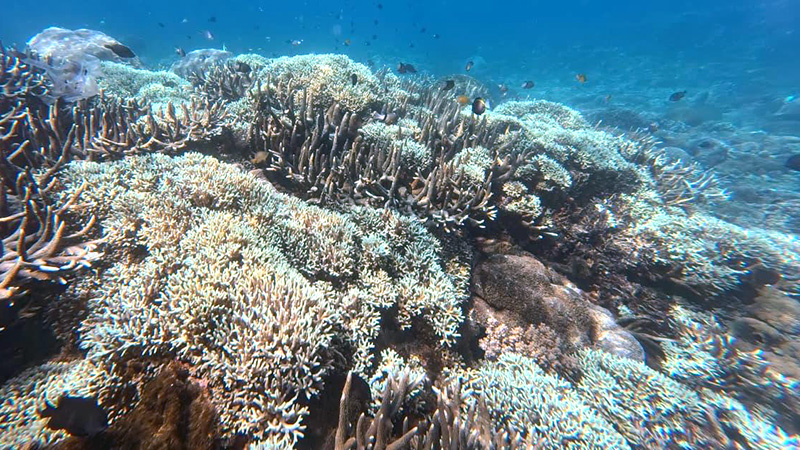
Although this increase may appear modest, even a few degrees above the normal seasonal range can place significant physiological stress on corals. Approximately one week after the heatwave, widespread coral bleaching was observed across both restoration sites and natural reefs throughout Nusa Penida.
The impacts were further intensified by exceptionally low tides during the same period. As water levels receded, many shallow reef areas were exposed to intense sunlight and extreme daytime heat, increasing thermal stress and contributing to partial bleaching across multiple coral species.
Fortunately, the heatwave was short-lived. Approximately one week after the bleaching event, seawater temperatures returned to their normal range, significantly reducing thermal stress on the reefs. Follow-up monitoring showed encouraging signs of recovery, with many bleached coral colonies gradually regaining their natural coloration and showing positive signs of resilience. This rapid recovery suggests that the bleaching event was temporary and that many corals were able to recover before sustaining irreversible damage.
While this outcome is encouraging, the event serves as an important reminder of how vulnerable coral reef ecosystems are to sudden marine heatwaves associated with climate change. Continued restoration efforts, routine monitoring, and long-term conservation remain essential to strengthen reef resilience and help safeguard Nusa Penida’s coral reefs against future climate-related disturbance.
Giant Clam Update
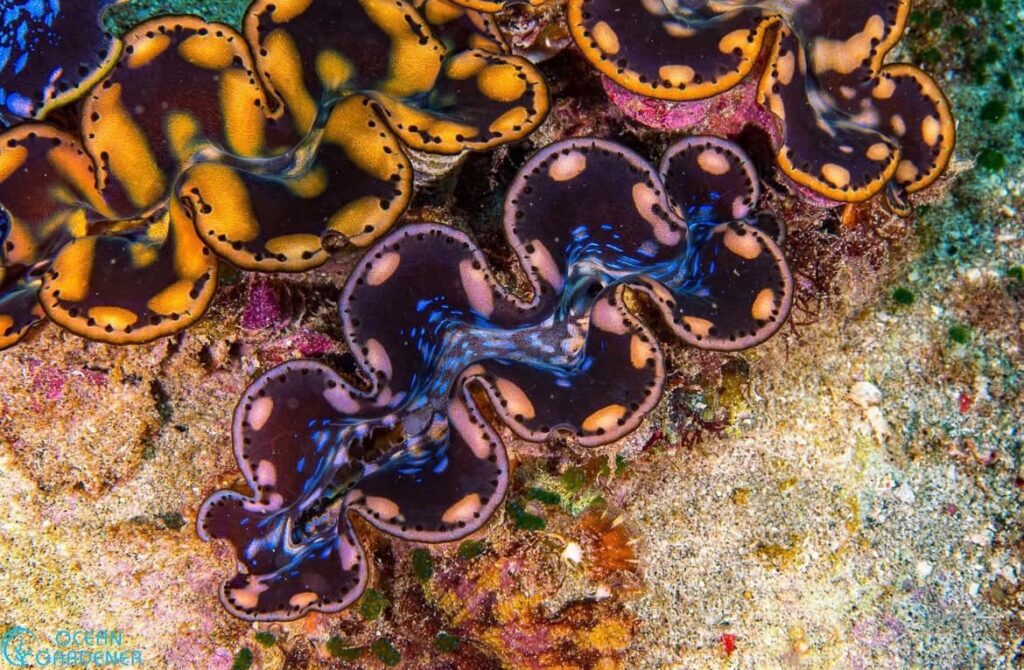
Over the past several months, Ocean Gardener has continued advancing our Giant Clam Restoration Program in Nusa Penida, Bali, in partnership with SeaTrees. This initiative aims to restore populations of giant clams while strengthening coral reef ecosystems through long-term conservation and community engagement.
Since the beginning of the project, 150 juvenile Tridacna maxima have been successfully relocated and carefully monitored. To date, 143 clams remain healthy, resulting in an encouraging 95.3% survival rate. Regular monitoring has shown consistent growth, with average shell length increasing from approximately 1.3 cm to 2.0 cm over the monitoring period.
To support healthy development, our team routinely cleans and maintains protective baskets, replacing them with larger mesh as the clams grow. These improvements enhance water circulation, reduce algal accumulation, and provide greater space for continued growth while protecting the juveniles from predators.
Looking ahead, we plan to expand the project by introducing additional endangered giant clam species, including Tridacna derasa and Tridacna gigas, while incorporating photogrammetry and genetic research to strengthen long-term monitoring and conservation outcomes.
We are grateful to SeaTrees for their continued support in helping restore Indonesia’s coral reef ecosystems and creating a more resilient future for our oceans
Spring Coral Spawning Season Update
As we know, coral spawning is an enigma that remains to unfold, so many unknown things about when and how often it happens. The old theory said that mass spawning events only happen a few times a year, usually between October and December. The old theory also said that the peak spawning would occur between 3 to 5 days after the full moon, but the data we got during spring (March – June) this year defies that theory.
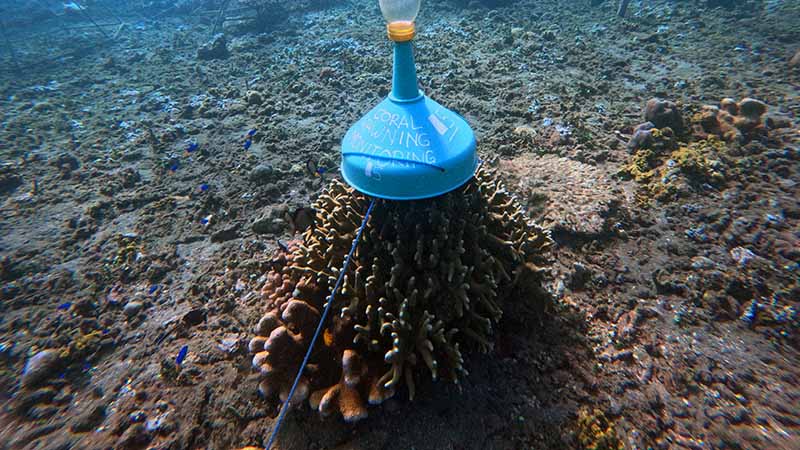
Ocean Gardener has been conducting various Coral Spawning Monitoring for some time, but this spring was a bit different because now we have data from 3 different sites at the same time. Ped, Lipah, and Pemuteran. Those three sites were monitored and gave us surprising results. In mainland Bali, Mero was once also a monitoring site, but then we decided to change the site to Lipah because monitoring in Mero is a bit harder because the number of corals in Mero is not good enough compared to Lipah, and that makes an already hard monitoring become even harder.
From all the monitoring in March, in total we got 20 different colonies spawned in various places. In Ped, it happened a bit later than the schedule that we knew; spawning only happens between 6 to 9 days after the full moon. April was even crazier; in total we got 104 different colonies spawned! But then after it started to ease down in May and June, we only got 23 different colonies spawned. Then for June, we only managed to do monitoring in Lipah, but the conditions were so bad, and we were only able to do 3 dives with no spawning witnessed. In total from March to June, we witnessed and documented 147 colonies of coral spawning!
All that data means that we still know so little about spawning; future spawning monitoring is a must so that we can compile everything and get more and more information.
69Slam Community Planting
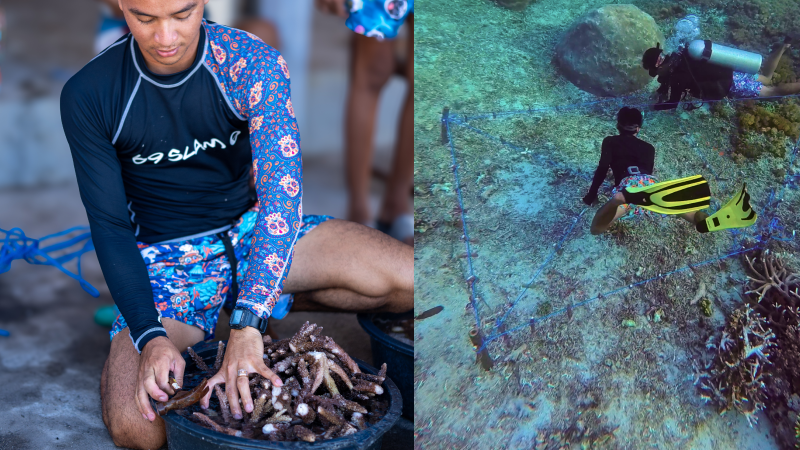
We thank 69 Slam for their support in gifting the local fishermen community Nuansa Pulau with some of their gear. In celebration of their new gear, the fishermen took the chance to help plant more corals.
It was also particularly touching that some of the boys (now men) and some new faces (young boys) showed up, marking a change of guard.
Watch the Ocean Gardener Short Film
Our founding story is now live on YouTube. Lavic Films came to interview our founder Vincent about our work. Together the showcase the beauty of the reefs here in Bali, but also the challenges we face.